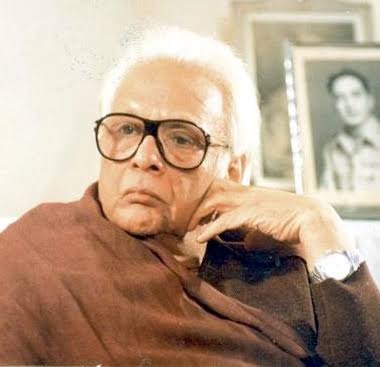
Dr. Rahi Masoom Raza डॉ. राही मासूम रज़ा
1927 – 1992 | Poet, Novelist, Screenwriter 1927 – 1992 | कवि, उपन्यासकार, पटकथा लेखक
Dr. Rahi Masoom Raza was born in Gangauli, Ghazipur on September 1, 1927. One of the most celebrated Urdu and Hindi writers of the 20th century, he is best known for his landmark novel 'Aadha Gaon' (Half Village), which immortalized Gangauli in Indian literature. He also wrote the screenplay for the iconic TV series Mahabharat (1988). डॉ. राही मासूम रज़ा का जन्म 1 सितंबर 1927 को गंगौली, गाजीपुर में हुआ था। 20वीं सदी के सबसे प्रसिद्ध उर्दू और हिंदी लेखकों में से एक, वे अपने ऐतिहासिक उपन्यास 'आधा गाँव' के लिए जाने जाते हैं। उन्होंने प्रतिष्ठित टीवी धारावाहिक महाभारत (1988) की पटकथा भी लिखी।
Literary Iconसाहित्यिक प्रतीक
Dr. Rahi Masoom Razaडॉ. राही मासूम रज़ा
1927 – 1992 • Poet • Novelist • Screenwriter 1927 – 1992 • कवि • उपन्यासकार • पटकथा लेखक
Born in Gangauli, Ghazipur on 1 September 1927. Celebrated for his landmark novel 'Aadha Gaon' and for writing the screenplay of the iconic TV series Mahabharat (1988). गंगौली, गाजीपुर में जन्मे डॉ. रज़ा अपने उपन्यास 'आधा गाँव' और महाभारत (1988) की पटकथा के लिए जाने जाते हैं।
Dr. Rahi Masoom Raza — A Literary Legend of Gangauli डॉ. राही मासूम रज़ा — गंगौली के साहित्यिक महानायक
1 September 1927 • Gangauli, Ghazipur | 15 March 1992 • Mumbai 1 सितंबर 1927 • गंगौली, गाजीपुर | 15 मार्च 1992 • मुंबई
1. Early Life & Childhood १. जन्म और बचपन
- Dr. Rahi Masoom Raza was born on 1 September 1927 in the village of Gangauli, Ghazipur district, Uttar Pradesh — a small yet culturally rich village on the banks of the Ganga. डॉ. राही मासूम रज़ा का जन्म 1 सितंबर 1927 को गंगौली गाँव, जिला गाजीपुर, उत्तर प्रदेश में हुआ था — गंगा के किनारे बसा एक छोटा-सा किंतु सांस्कृतिक रूप से समृद्ध गाँव।
- His full name was Rahi Masoom Raza. He belonged to a Shia Muslim family of Gangauli, deeply rooted in the composite Ganga-Jamuni tehzeeb of eastern UP. उनका पूरा नाम राही मासूम रज़ा था। वे गंगौली के एक शिया मुस्लिम परिवार से थे, जो पूर्वी उत्तर प्रदेश की गंगा-जमुनी तहज़ीब में गहरे रचे-बसे थे।
- His childhood in Gangauli was spent amidst the vibrant rural life of a multi-religious village — Hindu-Muslim unity, seasonal festivals, and the flowing Ganga shaped his worldview profoundly. These experiences later became the soul of his writing. गंगौली में उनका बचपन एक बहु-धार्मिक गाँव के जीवंत ग्रामीण जीवन के बीच बीता — हिंदू-मुस्लिम एकता, मौसमी त्योहार और गंगा की लहरों ने उनके जीवन-दर्शन को गहराई से प्रभावित किया। ये अनुभव बाद में उनके लेखन की आत्मा बने।
- From childhood, he showed a keen interest in language, poetry, and storytelling. He was deeply influenced by the Urdu literary tradition and the oral culture of the village — qissas, marsiye, and folk songs. बचपन से ही उनकी भाषा, कविता और कहानी में गहरी रुचि थी। वे उर्दू साहित्यिक परंपरा और गाँव की मौखिक संस्कृति — क़िस्से, मर्सिये और लोकगीतों से गहराई से प्रभावित थे।
- Gangauli remained the emotional core of his life even after he left for higher studies and later settled in Mumbai. He called it "the village of his soul" — अपने प्राणों का गाँव। उच्च शिक्षा के लिए जाने और बाद में मुंबई में बस जाने के बाद भी गंगौली उनके जीवन का भावनात्मक केंद्र बना रहा। वे इसे "अपने प्राणों का गाँव" कहते थे।
2. Education २. शिक्षा
- Raza completed his early schooling in Ghazipur. He was a brilliant student with a passion for Urdu and Persian languages from an early age. रज़ा ने अपनी प्रारंभिक शिक्षा गाजीपुर में पूरी की। वे बचपन से ही उर्दू और फ़ारसी भाषाओं के प्रति गहरी रुचि रखने वाले प्रतिभाशाली छात्र थे।
- He pursued higher education at Aligarh Muslim University (AMU), Aligarh — one of India's premier institutions of learning. AMU was a hotbed of Urdu literature, progressive thought, and national consciousness. उन्होंने अलीगढ़ मुस्लिम विश्वविद्यालय (AMU), अलीगढ़ से उच्च शिक्षा ग्रहण की — जो भारत के प्रमुख शिक्षा संस्थानों में से एक है। AMU उर्दू साहित्य, प्रगतिशील विचार और राष्ट्रीय चेतना का केंद्र था।
- He obtained his M.A. in Urdu Literature from AMU. The university environment exposed him to the progressive writers' movement (Taraqqi Pasand Tehreek), which greatly shaped his literary outlook. उन्होंने AMU से उर्दू साहित्य में एम.ए. किया। विश्वविद्यालय के माहौल ने उन्हें प्रगतिशील लेखक आंदोलन (तरक़्क़ी पसंद तहरीक) से परिचित कराया, जिसने उनके साहित्यिक दृष्टिकोण को बहुत प्रभावित किया।
- He later earned his Ph.D. (Doctorate) in Urdu from Aligarh Muslim University, which earned him the prefix "Dr." before his name. His doctoral work focused on the rich tradition of Urdu poetry and culture. बाद में उन्होंने अलीगढ़ मुस्लिम विश्वविद्यालय से उर्दू में पीएच.डी. (डॉक्टरेट) की उपाधि प्राप्त की, जिससे उनके नाम के आगे "डॉ." का संबोधन जुड़ा। उनके शोध का विषय उर्दू कविता और संस्कृति की समृद्ध परंपरा थी।
- After completing his doctorate, Dr. Raza joined Aligarh Muslim University as a Professor in the Department of Urdu. He taught there for several years, mentoring a generation of Urdu writers and scholars. डॉक्टरेट पूर्ण करने के बाद डॉ. रज़ा अलीगढ़ मुस्लिम विश्वविद्यालय में उर्दू विभाग में प्रोफ़ेसर के रूप में नियुक्त हुए। उन्होंने वहाँ कई वर्षों तक पढ़ाया और उर्दू लेखकों व विद्वानों की एक पीढ़ी को तराशा।
3. Literary Works — Books & Novels ३. साहित्यिक कृतियाँ — किताबें और उपन्यास
Dr. Raza was a prolific writer who authored novels, poetry collections, plays, and film/TV scripts. He wrote primarily in Urdu and Hindi, and his works reflect the pain of partition, the complexity of Hindu-Muslim relations, nostalgia for the village life, and the dignity of ordinary people. डॉ. रज़ा एक विपुल लेखक थे जिन्होंने उपन्यास, काव्य-संग्रह, नाटक और फ़िल्म/टीवी स्क्रिप्ट लिखीं। उन्होंने मुख्यतः उर्दू और हिंदी में लिखा, और उनकी रचनाएँ बँटवारे का दर्द, हिंदू-मुस्लिम संबंधों की जटिलता, गाँव के जीवन की याद और आम इंसान की गरिमा को दर्शाती हैं।
Other Notable Works अन्य उल्लेखनीय रचनाएँ
- Scene: 75 (सीन: 75) — A gripping dramatic novel set in the world of Bollywood, based on Raza's own experiences as a screenwriter. It offers a sharp, insider's look at the glittering yet morally hollow film industry — its politics, betrayals, and the slow decay of artistic integrity. सीन: 75 — बॉलीवुड की दुनिया पर आधारित एक रोचक नाटकीय उपन्यास, जो राही मासूम रज़ा के स्वयं के पटकथा लेखक अनुभवों पर आधारित है। यह फ़िल्मी दुनिया की चमक-दमक के पीछे छुपी नैतिक खोखलेपन, राजनीति, धोखे और कलात्मक ईमानदारी के क्षरण को उजागर करता है।
- Katra Bi Aarzu (कटरा बी आर्ज़ू) — A deeply moving novel set in old Lucknow's Muslim neighbourhood, the story follows the lives of ordinary people trapped in the ruins of a dying tehzeeb — their love, longing, helplessness, and the quiet tragedy of a culture fading away after Partition. कटरा बी आर्ज़ू — लखनऊ के पुराने मुस्लिम मोहल्ले पर आधारित एक गहरी मर्मस्पर्शी कहानी, जो एक बिखरती तहज़ीब के खंडहरों में जी रहे आम लोगों के प्रेम, तड़प, बेबसी और विभाजन के बाद एक संस्कृति के मौन अंत की व्यथा को चित्रित करती है।
- Asantosh Ke Din (असन्तोष के दिन) — A poignant collection of essays and reflections capturing Raza's disillusionment with post-independence India. Written during a turbulent period, it voices the anguish of a patriot watching his nation torn apart by communalism, corruption, and broken promises — a searing confession of a sensitive writer's restless soul. असन्तोष के दिन — रज़ा के निबंधों और विचारों का एक मार्मिक संग्रह जो स्वतंत्रता के बाद के भारत से उनके मोहभंग को व्यक्त करता है। एक उथल-पुथल भरे दौर में लिखा गया, यह एक देशभक्त की पीड़ा को आवाज़ देता है जो अपने देश को सांप्रदायिकता, भ्रष्टाचार और टूटे हुए वादों में बिखरते देख रहा है — एक संवेदनशील लेखक की बेचैन आत्मा का दर्दनाक इकरार।
- He also wrote numerous film songs and dialogues for Bollywood, including movies like Mili, Lahu Ke Do Rang, Muqabla, Laila Majnu and many more — making literature accessible through mainstream cinema. उन्होंने बॉलीवुड के लिए मिली, लहू के दो रंग, मुकाबला, लैला मजनू सहित अनेक फ़िल्मों के गीत और संवाद भी लिखे — साहित्य को मुख्यधारा के सिनेमा के माध्यम से आम जन तक पहुँचाया।
4. Mahabharat — "Main Samay Hoon" (मैं समय हूँ) ४. महाभारत — "मैं समय हूँ"
B.R. Chopra's Mahabharat (1988–90) — The Most Watched TV Series in Indian History बी.आर. चोपड़ा की महाभारत (1988–90) — भारतीय इतिहास की सर्वाधिक देखी गई टीवी धारावाहिक
- Dr. Rahi Masoom Raza was chosen by legendary filmmaker B.R. Chopra to write the screenplay and dialogue for the iconic television series Mahabharat, which aired on Doordarshan from 1988 to 1990. महान फ़िल्मकार बी.आर. चोपड़ा ने डॉ. राही मासूम रज़ा को दूरदर्शन पर 1988 से 1990 तक प्रसारित प्रतिष्ठित धारावाहिक महाभारत की पटकथा और संवाद लिखने के लिए चुना।
- The opening narration of Mahabharat — "Main Samay Hoon" ("I am Time") — spoken at the beginning of each episode, was written by Dr. Raza. These words became one of the most iconic lines in Indian television history and gave the series its universal, timeless character. महाभारत की प्रारंभिक उद्घोषणा — "मैं समय हूँ" — जो हर एपिसोड में बोली जाती थी, डॉ. रज़ा की लेखनी से जन्मी थी। ये शब्द भारतीय टेलीविजन इतिहास की सबसे प्रतिष्ठित पंक्तियों में से एक बन गए और धारावाहिक को एक सार्वभौमिक, कालातीत चरित्र प्रदान किया।
- At its peak, Mahabharat had a viewership of over 65 crore (650 million) Indians. During its telecast, streets would empty across the country — a cultural phenomenon unmatched in Indian television history. अपने चरम पर, महाभारत के दर्शकों की संख्या 65 करोड़ (650 मिलियन) भारतीयों से अधिक थी। इसके प्रसारण के दौरान देशभर की सड़कें सुनसान हो जाती थीं — भारतीय टेलीविजन इतिहास में अतुलनीय एक सांस्कृतिक घटना।
- A Muslim writer from a small village in Ghazipur penning the dialogues of India's greatest Hindu epic was itself a profound statement of India's composite culture — a fact that Dr. Raza himself was deeply proud of. गाजीपुर के एक छोटे गाँव का एक मुस्लिम लेखक भारत के सबसे महान हिंदू महाकाव्य के संवाद लिखे — यह स्वयं भारत की मिली-जुली संस्कृति का एक गहरा बयान था — एक तथ्य जिस पर डॉ. रज़ा स्वयं गहरे गर्व का अनुभव करते थे।
- He also wrote the dialogue for B.R. Chopra's Mahabharat sequel projects and several other TV productions, cementing his place as one of the most versatile literary minds of independent India. उन्होंने बी.आर. चोपड़ा की महाभारत की अनुवर्ती परियोजनाओं और कई अन्य टीवी प्रोडक्शन के संवाद भी लिखे, जिसने उन्हें स्वतंत्र भारत के सबसे बहुमुखी साहित्यिक प्रतिभाओं में से एक के रूप में स्थापित किया।
"मैं समय हूँ... समय के साथ जो बीत गया वो इतिहास है, और जो आने वाला है वो भविष्य है, लेकिन जो चल रहा है वो... महाभारत है।" — Dr. Rahi Masoom Raza (Mahabharat, 1988) "मैं समय हूँ... समय के साथ जो बीत गया वो इतिहास है, और जो आने वाला है वो भविष्य है, लेकिन जो चल रहा है वो... महाभारत है।" — डॉ. राही मासूम रज़ा (महाभारत, 1988)
5. Special Highlights & Achievements ५. विशेष उपलब्धियाँ और खास बातें
- Bilingual Genius: Dr. Raza was equally fluent and creative in both Urdu and Hindi — a rare achievement. He bridged the two literary traditions at a time when they were being artificially separated along religious lines after independence. द्विभाषी प्रतिभा: डॉ. रज़ा उर्दू और हिंदी दोनों में समान रूप से प्रवाहमान और रचनात्मक थे — एक दुर्लभ उपलब्धि। उन्होंने स्वतंत्रता के बाद दोनों साहित्यिक परंपराओं को उस समय जोड़ा जब उन्हें धार्मिक आधार पर कृत्रिम रूप से अलग किया जा रहा था।
- Secular Humanist: Despite being a Shia Muslim, he wrote the screenplay of the Mahabharat with such depth and reverence that it became the definitive television adaptation of the Hindu epic. He always maintained that great literature transcends religion. धर्मनिरपेक्ष मानवतावादी: शिया मुस्लिम होने के बावजूद, उन्होंने महाभारत की पटकथा इतनी गहराई और श्रद्धा के साथ लिखी कि यह हिंदू महाकाव्य का निर्णायक टेलीविजन रूपांतरण बन गई। उन्होंने हमेशा माना कि महान साहित्य धर्म से परे होता है।
- Aadha Gaon's Impact: His novel 'Aadha Gaon' is considered one of the greatest novels in Urdu literature. It was among the first works to document the partition trauma from the perspective of common village people — not politicians or leaders. आधा गाँव का प्रभाव: उनका उपन्यास 'आधा गाँव' उर्दू साहित्य के सर्वश्रेष्ठ उपन्यासों में से एक माना जाता है। यह आम गाँव के लोगों — न कि राजनेताओं या नेताओं — के दृष्टिकोण से विभाजन की त्रासदी को दर्ज करने वाली पहली रचनाओं में से एक थी।
- Progressive Movement: He was an active member of the All India Progressive Writers' Association (AIPWA), which aimed to use literature as a tool for social change, equality, and justice. प्रगतिशील आंदोलन: वे अखिल भारतीय प्रगतिशील लेखक संघ (AIPWA) के सक्रिय सदस्य थे, जिसका उद्देश्य साहित्य को सामाजिक परिवर्तन, समानता और न्याय के लिए एक साधन के रूप में उपयोग करना था।
- Mumbai Journey: In the 1970s, Dr. Raza moved to Mumbai to pursue his career as a screenwriter and lyricist in Bollywood. He wrote dialogues, film songs, and scripts for numerous Hindi films, bringing his literary sensibility to popular cinema. मुंबई की यात्रा: 1970 के दशक में डॉ. रज़ा मुंबई चले गए और बॉलीवुड में पटकथा लेखक और गीतकार के रूप में अपना करियर आगे बढ़ाया। उन्होंने अनेक हिंदी फ़िल्मों के संवाद, गाने और स्क्रिप्ट लिखे, अपनी साहित्यिक संवेदनशीलता को लोकप्रिय सिनेमा में लाए।
- Gangauli — Forever in His Heart: No matter how far he traveled, Gangauli remained his spiritual home. He wrote about it, spoke about it, and wept for it. The village breathes in every page of 'Aadha Gaon' and in the spirit of everything he created. गंगौली — हमेशा उनके दिल में: वे चाहे जितनी दूर चले गए, गंगौली उनका आध्यात्मिक घर बना रहा। उन्होंने इसके बारे में लिखा, बात की और रोए। यह गाँव 'आधा गाँव' के हर पृष्ठ में और उनकी बनाई हर चीज़ की आत्मा में साँस लेता है।
6. Death & Eternal Legacy ६. निधन और अमर विरासत
- Dr. Rahi Masoom Raza passed away on 15 March 1992 in Mumbai, aged 64, after a brief illness. He left behind a literary legacy that continues to inspire millions across the globe. डॉ. राही मासूम रज़ा का निधन 15 मार्च 1992 को मुंबई में 64 वर्ष की आयु में एक संक्षिप्त बीमारी के बाद हुआ। वे एक ऐसी साहित्यिक विरासत छोड़ गए जो आज भी दुनिया भर में लाखों लोगों को प्रेरित करती है।
- His death was mourned across India. Literary associations, Urdu academies, and cultural organizations held condolence meetings in his honor. Doordarshan aired special programs remembering his immense contribution to Indian culture. उनके निधन पर पूरे भारत में शोक व्याप्त हो गया। साहित्यिक संस्थाओं, उर्दू अकादमियों और सांस्कृतिक संगठनों ने उनके सम्मान में शोकसभाएँ आयोजित कीं। दूरदर्शन ने भारतीय संस्कृति में उनके अपार योगदान को याद करते हुए विशेष कार्यक्रम प्रसारित किए।
- Gangauli wept for its greatest son. The village that gave the world Dr. Rahi Masoom Raza continues to carry his name with immense pride. He is not just a literary figure — he is the identity of Gangauli. गंगौली अपने महान सपूत के लिए रोया। वह गाँव जिसने दुनिया को डॉ. राही मासूम रज़ा दिए, आज भी उनका नाम अपार गर्व के साथ लिए चलता है। वे केवल एक साहित्यिक व्यक्तित्व नहीं हैं — वे गंगौली की पहचान हैं।
- 'Aadha Gaon' has been translated into multiple languages including English, and continues to be studied in universities across India and abroad. It is included in curricula as a defining text of 20th-century Indian literature. 'आधा गाँव' का अंग्रेजी सहित अनेक भाषाओं में अनुवाद हुआ है, और यह भारत और विदेशों के विश्वविद्यालयों में पढ़ाया जाता रहता है। इसे 20वीं शताब्दी के भारतीय साहित्य की एक परिभाषित कृति के रूप में पाठ्यक्रम में शामिल किया गया है।
- The iconic words "Main Samay Hoon" from Mahabharat — written by this son of Gangauli — are etched permanently in the memory of hundreds of millions of Indians, making Dr. Rahi Masoom Raza truly immortal. महाभारत के प्रतिष्ठित शब्द "मैं समय हूँ" — गंगौली के इस सपूत की लेखनी से निकले — अरबों भारतीयों की स्मृति में स्थायी रूप से अंकित हैं, जो डॉ. राही मासूम रज़ा को सच में अमर बनाते हैं।
"गंगौली मेरी रूह में बसा है। मैं जहाँ भी रहूँ, गंगौली मेरे साथ है।" — Dr. Rahi Masoom Raza "गंगौली मेरी रूह में बसा है। मैं जहाँ भी रहूँ, गंगौली मेरे साथ है।" — डॉ. राही मासूम रज़ा
Gangauli Through the Ages युगों में गंगौली
Settlement on Ganga Plainsगंगा के मैदानों पर बसावट
Gangauli's origins trace back centuries as a settlement on the fertile plains of the Ganga river, supporting a vibrant agrarian community. गंगौली की उत्पत्ति सदियों पहले गंगा नदी के उपजाऊ मैदानों पर एक बस्ती के रूप में हुई, जो एक जीवंत कृषि समुदाय का समर्थन करती थी।
Birth of Rahi Masoom Razaराही मासूम रज़ा का जन्म
The village gained literary immortality with the birth of Dr. Rahi Masoom Raza, who would go on to become one of India's greatest writers. गाँव को साहित्यिक अमरता तब मिली जब डॉ. राही मासूम रज़ा का जन्म हुआ, जो भारत के सबसे महान लेखकों में से एक बने।
Aadha Gaon Publishedआधा गाँव प्रकाशित
The publication of 'Aadha Gaon' (Half Village) put Gangauli permanently on India's literary map, depicting the social fabric of the village with masterful authenticity. 'आधा गाँव' के प्रकाशन ने गंगौली को भारत के साहित्यिक मानचित्र पर स्थायी रूप से स्थापित कर दिया, गाँव की सामाजिक संरचना को अद्वितीय प्रामाणिकता के साथ दर्शाया।
Modern Development Eraआधुनिक विकास युग
With the dawn of the 21st century, Gangauli embraced modernization — new schools, health centers, and infrastructure while preserving its cultural identity. 21वीं सदी के आगमन के साथ, गंगौली ने आधुनिकीकरण को अपनाया — नए स्कूल, स्वास्थ्य केंद्र और बुनियादी ढाँचा, साथ ही अपनी सांस्कृतिक पहचान को संरक्षित करते हुए।
New Leadership, New Visionनया नेतृत्व, नया विज़न
Saif Alsam "Raju" elected as Gram Pradhan, bringing renewed energy to village development with focus on roads, water, and education. सैफ़ असलम "राजू" ग्राम प्रधान निर्वाचित हुए, सड़क, पानी और शिक्षा पर ध्यान केंद्रित करते हुए गाँव के विकास में नई ऊर्जा लाई।
Know Your Village अपना गाँव जानें
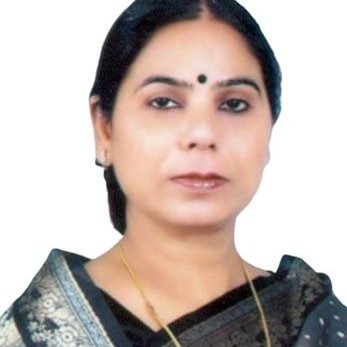 Political Iconराजनीतिक प्रतीक
Syeda Shadab Fatimaसैयदा शदाब फातिमा
MLA 2007–12 • MLA 2012–17 • Cabinet Minister, UP विधायक 2007–12 • विधायक 2012–17 • कैबिनेट मंत्री, उ.प्र.
Born in Gangauli, Ghazipur. Elected MLA twice and served as Cabinet Minister for Child Health & Women Welfare in the Uttar Pradesh Government. गंगौली, गाजीपुर में जन्मीं। दो बार विधायक चुनी गईं और उ.प्र. सरकार में बाल स्वास्थ्य एवं महिला कल्याण मंत्री पद पर कार्य किया।
Syeda Shadab Fatima — Journey of a Leader सैयदा शदाब फातिमा — एक नेता की यात्रा
A Daughter of Gangauliगंगौली की एक बेटी
Born into a respected family in Gangauli, Ghazipur. From a young age, she was aware of the social challenges faced by women and underprivileged communities in rural UP. गंगौली, गाजीपुर के एक सम्मानित परिवार में जन्मी। कम उम्र से ही वे ग्रामीण उत्तर प्रदेश में महिलाওं और वंचित समुदायों के सामने आने वाली सामाजिक चुनौतियों से अवगत थीं।
First Election Victory — Ghazipur Sadarपहली चुनाव जीत — गाजीपुर सदर
Elected as MLA from Ghazipur Sadar Constituency on a BSP ticket in the 2007 UP elections. This marked the beginning of her state-level political career. 2007 के उत्तर प्रदेश विधानसभा चुनाव में बहुजन समाज पार्टी (बसपा) के टिकट पर गाजीपुर सदर से विधायक निर्वाचित हुईं। यह राज्य स्तर पर उनके राजनीतिक करियर की शुरुआत थी।
Re-elected — Zahoorabad (SP)पुनः निर्वाचित — जहूराबाद क्षेत्र (सपा)
Won again from Zahoorabad Constituency on a Samajwadi Party ticket. Her second consecutive win confirmed her strong public support across constituencies. 2012 के उत्तर प्रदेश विधानसभा चुनाव में समाजवादी पार्टी (सपा) के टिकट पर जहूराबाद से पुनः जीत हासिल की। लगातार दूसरी जीत ने उनके मजबूत जनसमर्थन की पुष्टि की।
Minister — Child Health & Women Welfareमंत्री — बाल स्वास्थ्य एवं महिला कल्याण
Served as Cabinet Minister for Child Health and Women Welfare in the UP Government, championing women's empowerment, maternal health, and child nutrition across the state. उत्तर प्रदेश सरकार में बाल स्वास्थ्य एवं महिला कल्याण की कैबिनेट मंत्री के रूप में कार्य किया। इस भूमिका में उन्होंने पूरे उत्तर प्रदेश में महिला सशक्तिकरण, मातृ स्वास्थ्य और बाल पोषण के लिए कार्यक्रमों की पैरवी की।
A Source of Pride for Gangauliगंगौली के लिए गौरव का स्रोत
Syeda Shadab Fatima remains an inspiring example for the women of Gangauli and the entire region, demonstrating that daughters of small villages can reach the highest levels of governance. सैयदा शदाब फातिमा गंगौली और पूरे क्षेत्र की महिलाওं के लिए एक प्रेरणादायक उदाहरण हैं, यह दर्शाते हुए कि छोटे गा୕वों की बेटियाँ शासन के उच्चतम स्तर तक पहुहँच सकती हैं।
Syeda Shadab Fatima सैयदा शदाब फातिमा
MLA (2007–2012 & 2012–2017) | Minister, Child Health & Women Welfare, UP Govt. विधायक (2007–2012 व 2012–2017) | मंत्री, बाल स्वास्थ्य एवं महिला कल्याण, उ.प्र. सरकार
Syeda Shadab Fatima was born in Gangauli, Ghazipur, Uttar Pradesh. She is a prominent Indian politician and social worker. She was elected as Member of the Uttar Pradesh Legislative Assembly from Ghazipur Sadar Constituency (2007) on a Bahujan Samaj Party ticket, and then from Zahoorabad Constituency (2012) on a Samajwadi Party ticket. She also served as Minister of Child Health and Women Welfare in the Uttar Pradesh Government, making her one of Gangauli's most distinguished daughters in public life. सैयदा शदाब फातिमा का जन्म गंगौली, गाजीपुर, उत्तर प्रदेश में हुआ। वे एक प्रमुख भारतीय राजनीतिज्ञ और समाजसेवी हैं। उन्हें 2007 में बहुजन समाज पार्टी के टिकट पर गाजीपुर सदर विधानसभा क्षेत्र से और 2012 में समाजवादी पार्टी के टिकट पर जहूराबाद विधानसभा क्षेत्र से उत्तर प्रदेश विधानसभा की सदस्य चुना गया। वे उत्तर प्रदेश सरकार में बाल स्वास्थ्य एवं महिला कल्याण मंत्री के पद पर भी रहीं, जिससे वे सार्वजनिक जीवन में गंगौली की सबसे प्रतिष्ठित बेटियों में से एक बन गईं।
Syeda Shadab Fatima — Journey of a Leader सैयदा शदाब फातिमा — एक नेता की यात्रा
A Daughter of Gangauliगंगौली की एक बेटी
Born into a respected family in Gangauli, Ghazipur. From a young age, she was aware of the social challenges faced by women and underprivileged communities in rural UP. गंगौली, गाजीपुर के एक सम्मानित परिवार में जन्मी। कम उम्र से ही वे ग्रामीण उत्तर प्रदेश में महिलाओं और वंचित समुदायों के सामने आने वाली सामाजिक चुनौतियों से अवगत थीं।
First Election Victory — Ghazipur Sadarपहली चुनाव जीत — गाजीपुर सदर
Elected as MLA from Ghazipur Sadar Constituency on a Bahujan Samaj Party (BSP) ticket in the 2007 Uttar Pradesh Legislative Assembly elections. This marked the beginning of her political career at the state level. 2007 के उत्तर प्रदेश विधानसभा चुनाव में बहुजन समाज पार्टी (बसपा) के टिकट पर गाजीपुर सदर विधानसभा क्षेत्र से विधायक निर्वाचित हुईं। यह राज्य स्तर पर उनके राजनीतिक करियर की शुरुआत थी।
Re-elected — Zahoorabad Constituency (SP)पुनः निर्वाचित — जहूराबाद क्षेत्र (सपा)
Won again in the 2012 UP Assembly elections from Zahoorabad Constituency on a Samajwadi Party (SP) ticket. Her second consecutive win confirmed her strong public support across constituencies. 2012 के उत्तर प्रदेश विधानसभा चुनाव में समाजवादी पार्टी (सपा) के टिकट पर जहूराबाद विधानसभा क्षेत्र से पुनः जीत हासिल की। लगातार दूसरी जीत ने विधानसभा क्षेत्रों में उनके मजबूत जनसमर्थन की पुष्टि की।
Minister — Child Health & Women Welfareमंत्री — बाल स्वास्थ्य एवं महिला कल्याण
Served as Cabinet Minister for Child Health and Women Welfare in the Uttar Pradesh Government. In this role she championed programs for women's empowerment, maternal health, and child nutrition across UP. उत्तर प्रदेश सरकार में बाल स्वास्थ्य एवं महिला कल्याण की कैबिनेट मंत्री के रूप में कार्य किया। इस भूमिका में उन्होंने पूरे उत्तर प्रदेश में महिला सशक्तिकरण, मातृ स्वास्थ्य और बाल पोषण के लिए कार्यक्रमों की पैरवी की।
A Source of Pride for Gangauliगंगौली के लिए गौरव का स्रोत
Syeda Shadab Fatima remains an inspiring example for the women of Gangauli and the entire region, demonstrating that daughters of small villages can reach the highest levels of governance. सैयदा शदाब फातिमा गंगौली और पूरे क्षेत्र की महिलाओं के लिए एक प्रेरणादायक उदाहरण हैं, यह दर्शाते हुए कि छोटे गाँवों की बेटियां शासन के उच्चतम स्तर तक पहुँच सकती हैं।
Gangauli's Living Heritage गंगौली की जीवंत विरासत
Religious Harmonyधार्मिक सद्भाव
Gangauli is celebrated for its religious harmony, where temples and mosques stand side by side and festivals of all communities are celebrated together. गंगौली अपने धार्मिक सद्भाव के लिए प्रसिद्ध है, जहाँ मंदिर और मस्जिद साथ-साथ हैं और सभी समुदायों के त्योहार एक साथ मनाए जाते हैं।
Literary Legacyसाहित्यिक विरासत
The village's greatest cultural treasure is its association with Dr. Rahi Masoom Raza, whose works have enriched Urdu and Hindi literature for generations. गाँव का सबसे बड़ा सांस्कृतिक खजाना डॉ. राही मासूम रज़ा से उसका जुड़ाव है, जिनकी रचनाओं ने उर्दू और हिंदी साहित्य को पीढ़ियों से समृद्ध किया है।
Agrarian Rootsकृषि परंपरा
Agriculture remains the backbone of Gangauli's economy and culture. The seasonal festivals tied to harvests reflect a deep connection with the land. कृषि गंगौली की अर्थव्यवस्था और संस्कृति की रीढ़ बनी हुई है। फसल से जुड़े मौसमी त्योहार भूमि से गहरे जुड़ाव को दर्शाते हैं।